A truth about teaching that most non-teachers overlook is it looks effortless when done well, but way more complex than they realise. The fact most people spend at least ten years in schools watching teachers work adds to this distorted misconception about the job and what it takes to do it well.
Yet, just as having a lot of surgery doesn’t make you a surgeon, you can’t gain a real understanding of teaching from the position of student or parent. You might notice a few things about what good teachers do on the surface, though it is unlikely you will build an understanding of the strategy and principles behind it just from observation.
As an early career teacher, it is likely that many of the ways you ‘teach’ are based upon your experiences as a student or how your preservice mentor teachers did things. Perhaps, if you are starting this career later in life, it could be based on how teachers interact with your kids.

There are a lot of elements in this thing we call teaching, a catch-all term for all manner of roles and tasks which interconnect to make the whole. These include planning lessons, subject and curriculum knowledge, assessment, instruction, professional learning and development, reporting to parents and classroom management, which is the element this article will focus on.
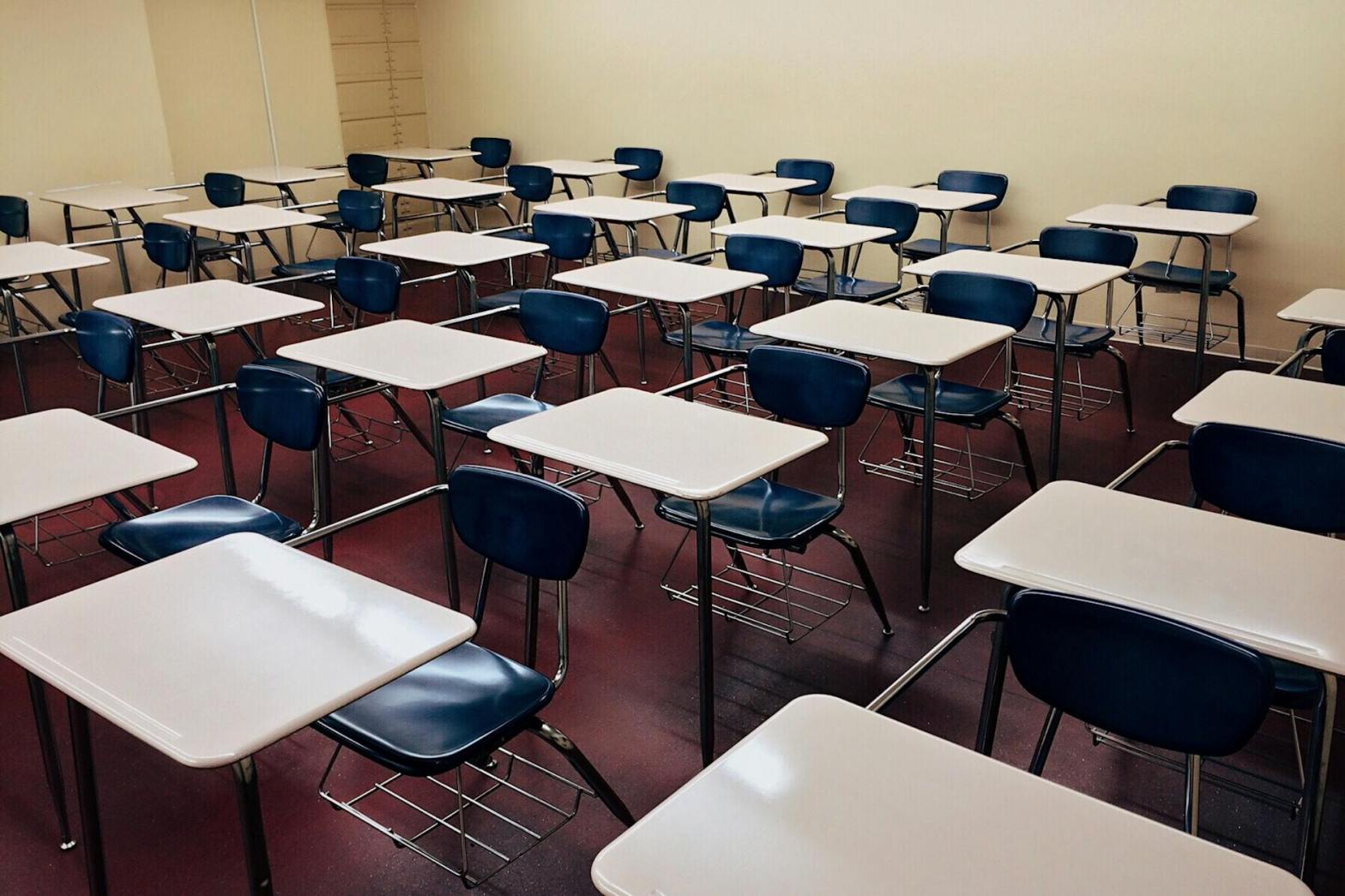
Classroom management is important to get right because environment determines so much about the learning and, unlike many other aspects of school, we exert a lot of influence over it. We can’t make students learn, but we can construct the environment to give them the best chance and managing a classroom is critical to this.
Using routine and ritual allows you to waste less energy on managing students, leaving space to concentrate on other critical elements like instruction, assessment and feedback. A well established routine directs energy and flow so students have the greatest chance of learning.
What many students crave is a calm and predictable place to concentrate on learning and avoid disruption, which is well supported by current evidence based thinking around cognition and neuroscience. Going further, in an age where these environments are rare, it is even more important to intentionally create it.
Using routines and rituals automates this process and reduces pressure by making expectations clear, avoiding the eternal battle to maintain order.
How we start something does not guarantee success, but it certainly helps. The beginning of a lesson as you welcome students into the room and get ready to work does many critical things which support the success or failure of said lesson.
It sets the tone and provides an opportunity to read the mood so you can transition students from where they are now to where they are going to be.
What follows is not proprietary information in any way and indeed, I owe a great deal to all the practitioners and experts who have mentored and modelled over the journey. We all belong to a great, unbroken chain in the teaching profession and the best ones knew this to be true.
Working over twenty five years in puberty management, in schools across varied sectors and countries, has given me the opportunity to experiment a lot and fail a lot. For a long time I spent a lot of energy and time reacting and doing the heavy lifting of classroom management until I realised the power of routine and ritual.
When designing your starting routine , there are important principles to keep in mind. These deeper ideas inform what you do by clarifying why you do it, meaning you don’t have to live in the reactionary, tactical hell of doing everything on the fly.

An essential role of teacher is to expect high standards of behaviour and create a safe environment for all. This means you must run the room, as Tom Bennet writes, not the students. If you have not read his book then do yourself a favour.
Arriving
Transitions are times when students are moving from one thing to another, be it a lesson, assembly or a break. We must advertise and expect that students arrive on time and that punctuality is important. This rule must apply to us, also, as we model behaviour and expectation. If I am ever late I apologise to students, not just to model expectations but also because it gives me a credible foundation when I need to challenge their lateness. Students are powered by fairness, amongst other things, so it seems sensible to use this to our advantage.
Have students lined up and ready ( I usually asked for two lines) and while you wait it is a good opportunity to give them verbal prompts and reminders as you wander along the line and take the temperature. This can be done with simple eye contact and greetings to connect with students individually. General questions are a useful tool here: How is your day going? How are you? This will help you identify quickly who might need help with regulation.

The variables in play within a class of twenty five students or more are many and varied. Weather. Time of Day. Have they just had a break? Have they just had a hard subject? An easy subject? Are they hungry? Has something just happened socially? Have they just had a test? All these elements are in play upon arrival, which means the energy can be buzzing like a beehive or flat and funereal. Students bring where they have been with them and this manifests in their energy levels, which needs to be directed somewhere positive.
Once most students are there, you can direct your attention to the whole group through reminders. Have they got their reading books? Have they got the right folder? These cues prompt students to get the things they need from lockers and so on before you enter.
Rationale – Many students struggle with self regulation as they develop their pre-frontal or neo cortex. Neuroscientist David Walsh uses the analogy of teenagers having and accelerator before they have the brakes installed, and we need to act as these brakes sometimes. The ability to understand the feelings we have and react appropriately is something most adults have (not all, for the love of god, not all). There is also something called the attention residue effect , where what has been going on before can lag up to fifteen minutes or so. That argument about football on the oval can come into the room and ruin your lesson, making this a proactive habit which often saves you from having to react inside the classroom – a gram of prevention is worth a kilogram of cure.
Getting it wrong – we can lose too much time at this stage expecting perfection or making it too demanding. When you expect too high a standard and keep using time in the hunt for complete compliance, it can become a game for students and you quickly lose control. To that end, you want to get this routine at no more than a minute or two. Another way to get it wrong is to start with clear expectations and routines but let them slip when things get busy. When you let the expectation slide, you are really saying there is no expectation.
Entering the classroom
The next part of this routine was inspired by vampire films and puppy training. Like vampires, it is risky to let students in without an explicit invitation, and while it might seem unkind to use dog training tricks, many teenagers are motivated by the same things – food, attention and praise. Sometimes you will need to enter the room briefly to put books down and so on before returning to the door to welcome them unencumbered. An orderly start like this prevents ‘the surge’, when students push through the door like some mad opening to Boxing Day sales. Students often do this because they want optimal seating, but it becomes part of the norm if you let it. When surging, the mob is in charge and aside from being a safety issue, it sets the wrong tone. This routine is particularly important early in a school year, so I ensure I stand near the door and say good morning, welcome or good afternoon with each individual student. Ideally this should involve some form of eye contact.

Rationale – This sends a subtle message about who, in dog parlance, the ‘pack leader’ is. Bennett would say it shows who is running this room, but there are deeper reasons. The most important one is personal, human connection. I figure that some students in a big school might not have many people look them in the eye and say welcome in any one day as we are all so busy and distracted and the pace is fierce, but I reckon that these micro connections are useful in any setting. Another benefit is it provides a chance to check on students again for signs of disregulation, distress or worry. It can also grab and focus attention. If you need to ask a student to lag behind for a more personal chat about what you have noticed, you can catch up with them while the other students are getting their seats and not paying attention. Again, this proactive step can save you a whole lot of reaction when the lesson is rolling.
Getting it wrong
In the endless worry about time and what you will teach this lesson, it is easy to rush or entirely skip this step so you can make a more impactful start. If you don’t make time to assess and redirect the energy, it can derail the entire lesson. Allowing students to enter loudly or exhibit silly behaviour, or run to chairs, will undo a lot of the beneficial work you do in the welcoming phase. As with the first routine, spending too much time on this step is also a risk as it can easily turn into a game for students, or at least a desirable delay. When thinking about time there is no magic number – you will need to experiment and find your own Goldilocks point.
Inside the room – getting alignment of focus and attention
Once in the room, the next routine is getting the lesson started. I have always had students stand behind their chairs and face me, not as an authoritative act but one that ensures focus. This is also where we can tidy the room together if necessary, because a previous class may have set up differently or left the room in a state. If students need to move or straighten furniture, it is a good time to do it now and circulating amongst them is useful so a collective approach becomes the norm rather than an adversarial, authoritarian one. Once this is done, I pick a point in the room to stand where I can make eye contact with everyone and do a more formal welcome to the group. As with the process outside, this routine gives students a chance to transition from wherever they were to where they are now, grounding them in the moment and ensuring that we share attention. As studies show, attention can be contagious. Early in a school year, you may need to go take the whole group outside and start again so students learn to execute the routine well. Actually, you might need to do this at any point in the year now I think about it.
Rationale – I have borrowed a bit from concepts of state priming and the importance of a calm and predictable environment for learning. It also extends the time we have to transition students into the new environment. Experience says at this point in the process, you are well positioned better to begin the work of the lesson. In a couple of minutes there have also been multiple unspoken ways of setting norms and dealing with students who need help with regulation, reinforcing that the room is being run by us, also, and not the students. It also helps you manage latecomers without interruption to your lesson. I used to start teaching straight away, feeling it more suited, but in doing this I underestimated some of the factors around attention residue and transition. Also, if you have a student who is going to be a problem, you can identify this now rather than five minutes into the lesson when it becomes a bigger issue to manage.
Getting it wrong: One thing I learned along the way (and it took me a long time to learn) was not to raise my voice over the students as it can become an escalating battle and potential game for students. It also runs the risk of annoying students who are doing the right thing. Instead, I use proximity (standing near students), pauses (let them catch up) and wait time (silence can be much more effective than talking or yelling). I also praise students doing the right thing and use them as models, which leverages the fact most students want to fit it in and do the right thing. If this takes too long, it lose the sharpness and becomes something else entirely which you will lose control of. We must be careful not to let the process go on too long for the sake of perfection, which is the enemy to good enough. This process, from getting students outside to in, should take one to two minutes in total and makes a huge difference to what comes next.
The opening
A strong opening should provide clarity to students about what to expect from the lesson, but you want to flexibility to adapt based on need. There are many factors which can influence your decision. If it is in the morning you might need to give them something to wake up. If it is straight after lunch on a hot day, you might want to choose something quiet and focussed, or, you might need to take that energy and disperse it using a routine which has them moving around, finding calm. I use this opening time for quick writes and retrieval practice, silent reading, or connecting students with the previous lesson somehow. I also outline the objective for the lesson and what they will need. I use a lot of time cues to help this along – ‘I am going to give you a minute to take out this, this and this.’ Whatever you choose, it should align with where you want to go and you should have put some thought into it. Some teachers have set days they do things and this might be a good place to start. For instance, retrieval Tuesday, quick write Thursday, quick quiz Monday, etc.

Rationale – We can underestimate the importance of having starting routines and rituals, but it is actually a crucial step for creating a predictable and safe space, which we know helps students optimise learning. We can’t really mandate learning, but we can and should exert some control over the environment to optimise the chances of it happening. The other element at work here is the principle of social norming, where the group sets acceptable behaviour through their actions, and if you don’t set the social norm, someone else will. As mentioned before, students have an inherent tendency towards fairness, which is a powerful force when applied consistently. Also, there is a principle where we speak our reality into existence through the use of slogans and verbal or nonverbal cues. I use the ‘be on time, ready to learn’ slogan. I also acknowledge those getting it right: ‘Thanks to those people I see doing the right thing in standing behind their chairs’. If you are looking for more ideas around this, then Doug Lemov is a great place to start.
Getting it wrong
The greatest challenge I face in this is when things get hectic or I get tired, it is easy to ditch the routine to save time. This is a bit like skipping over the planning stage when going on holiday. You will save time, but will waste a lot more making decisions and managing a classroom where you are not running it. This decay in habit or routine is normal, but we must remember that when you don’t enforce an accepted rule or procedure, you are sending a message that it is not important. This has two impacts. For the minority of students looking to exploit the situation and mess about, you provide an opportunity and forum. For the many who appreciate order and routine, you are moving from a safe and predictable environment to a varied and unpredictable one. This is confusing. Another mistake is choosing the wrong opening activity for the mood of the class. Unfortunately you will only learn this by doing and getting it wrong, which is a great teacher and something all good educators move through and the best still experience. Lastly, when you feel standards slipping, or students forget (which they do – the brain is a forgetting machine), taking the time to reset and run the routine again will help reinforce it.
Timing
By now, after meeting, greeting, settling and transitioning students into your learning space and depending on your choice of opening activity, around five to ten minutes should have elapsed. What you should have is a cohort of students ready to get into whichever main activity you have planned.
This process is not as easy as typing it out on a keyboard and it is not easy at all until you make it automatic, which requires practice and planning. Also, despite your best intentions, it won’t always work. Like the weather forecast or financial markets, what we expect is not what always happens because classrooms are dynamic environments filled with dynamic people having dynamic days with dynamic moods.
That said, having a consistent routine and good habits around starting a lesson will set you up for success on most days. Good luck and enjoy.
 Charlie Hynes