There are a lot of things to like about surfing. There is the laid back lifestyle, all year tan, girls in bikinis and endless summers. Other benefits include physical fitness, a strong connection with nature and the ability to use words like ‘worked’ and ‘stoked’ without sounding like a total flog.
Sun, sand and perfect waves beneath a clear sky are a hell of a lure for the modern human.
This ideal is true if you live in Hawaii or the Maldives or even Queensland. It is fine if you grew up with sand in your jocks and zinc cream in your hair. This myth is all good if you grew up near the coast or spent youthful summers at a holiday house or camping out in the annexe of a family caravan. You can probably surf like some ride bikes.
Perhaps you want to learn to surf, or claim you can because of that backpacker tour or lesson your girlfriend bought for your birthday. You know, the one where the instructors in green vests pushed you on a foam board through whitewash, and you stood up like a drunk with vertigo and straight lined it to the beach, hooing and haaing with arms aloft like a champ.
Okay, maybe that describes me too.
One truth about surfing is that what I just described isn’t surfing. Compared to surfing, it would be like riding on a velodrome with training wheels or ten pin bowling with a ramp and those bumper things in the gutter.
One truth about surfing is it is the hardest thing I have ever tried to learn, including long division. It is the albatross around my sporting neck, the Newman to my Seinfeld. Surfing is the pigeon to my statue and the fly in my sporting ointment and or soup. It is the dragon I spend too much time chasing.
It is a chase that has lasted more than ten years, and though the tone might sound complaining, it is more a lament. I too was drawn in by the image of surfing and the way people spoke about it. Tim Winton, in his novel Breath, wrote eloquently about the thrill of learning to surf and the spirituality of the lifestyle. To be honest, reading Winton only makes the frustration worse because it describes a soulful experience that has so far eluded me despite grinding effort.
I started learning to surf in my mid twenties, lured in by quick success of a first lesson and a mild case of quarter life rut. There were certain challenges to overcome – I grew up a long way from the coast and didn’t really like the beach. Normally that would be only a mild obstacle, assuaged with the application of effort and practice, for surfing is a great deal more than taking a few strokes and standing up on a wave. Without the knowledge of currents and tide times and weather conditions, learning to surf can quickly reduce itself to paddling around a lot, drinking seawater and worrying about sharks.
When the wind is up and the current is running, you can spend everything you have just getting out beyond where the waves break. On a learner board, which in my case was roughly the size of the HMAS Melbourne, it is impossible to duck under the waves, even in small conditions. My abiding memory of those early sessions was the effort of balancing myself with the quick realisation I often looked like a person in trouble in a flood, grasping at driftwood. Sometimes in choppy conditions it felt like there were gangster slaps coming from all directions.
Surfing back then was all sore arms and salty burps, with the odd short ride in the white water to keep me coming back. It was about learning not to panic when you were caught on the bottom, that seaweed was natural and every shadow did not make a shark. It was about getting shouted at by other surfers and learning line-up etiquette and university level meteorology. The urge to give up was a constant companion.
I also learnt that there was a difference between surfers and people who surf. People who surf are aggressive and drop in on you. They are always in a hurry and resent you being there. Surfing is an activity to be conquered and measured and mastered. Surfers are all like the Dude from the Big Lebowski. They whoop you onto waves and smile as you paddle by them. They speak slow, like Queenslanders, and have a quiet confidence that indicates they know something awesome about life.
The thing that changes them, steals ambition and sends you on a search is the very thing that keeps me turning up for punishment time and again. It is the thing that makes me squeeze my once athletic frame into a neoprene suit slash nappy, pick up 8 feet of fibreglass and paddle out into a winter sea for a free salt water enema and blue lips.
The truth about surfing is told in the peace you find out the back between sets, where time is a construct and nothing matters but the next lump on the horizon. Well, either that or the sharp rush of the last strokes before liftoff, when you ascend by the power of water and snap to your feet, or go over the falls to practice holding your breath, the usual outcome for this scribe.
Despite all the rejections and lost hours, all the days when swell disappears and there is nothing but close-outs, the truth about surfing is the very thing that keeps me coming back for more. It goes against all rhyme and reason, and defies the constant sense of dread I feel when I pull into the car park and lay eyes on the breakers.
But I’m not really a surfer, just a person who surfs not very well. Maybe Tim Winton is the man to ask about the truth.
As consumers, lovers and devotees, can we both enjoy the art and condemn the artist?
This question, fuelled by curiosity, has swirled in my mind for a number of years, ebbing and flowing as accusation and revelation frequently emerge in the hyperconnected world we inhabit.
A firm answer, however, proves dynamic and elusive to me. Sometimes it feels obvious, only to later become ill-defined, complicated and perplexing.
This post is an attempt to explore the question and settle on some kind of principle for dealing with the question as both a consumer and an educator.
Before beginning, it is important to make a declaration:
This exploration in no way, shape or form condones, excuses, minimises or forgives the behaviours or crimes reported, alleged, proven or otherwise attributed to these artists. It in no way, shape or form intends to belittle or denigrate or wash over the experience and trauma of those hurt, damaged, traumatised, betrayed or abused by these artists, allegedly or otherwise.
It is also not a criticism or commentary on ‘cancel culture’, the modern media, fairness, justice or alternative truths.
It is the reflections of someone far enough away from the epicentre of events to be just a consumer, admirer and fan of the art and artist as they exist in the public realm.
This exploration seeks to understand and find a resolution for consumers of all kind of artistic endeavour and the arts which make up the great ongoing humanistic conversation that has continued within and across cultures for centuries.
It is the art of music, film, television, poetry, painting, sculpture, plays, poems, photography, dance, architecture, fashion and design.
It manifests in the works that bring great joy, delight and profundity to our lives; they that comfort and reveal; they that spark joy and rumination and weave themselves into the fabric of life; they serve as plot points and beats of memory.
Their creators become celebrities and mentors. They become sources of inspiration and wonder and comfort. We become devotees, fanatics and promoters of their work. We anticipate their new works and often wish we could go back to the first time we discovered, devoured and explored their art.
Then, exposure and revelation peel back the image and the gloss and we are confronted with dark truths and realities which tear our vision of these artists apart.
This is where the conundrum lives.
Two examples of this emerged for me over this last summer. With a long break between school years, it felt like a good time to tackle Cormac McCarthy’s ‘The Passenger’.
One does not simply mosey or amble through his work – to make the most of it, you have to have your head on a swivel and be laser focussed on every word to savour and digest it.
Then, somewhere in midstream of the reading as we are want to do, I googled him, only to discover the revelation of his relationship with a much younger ‘muse’, as he no doubt would have called her, though most would call it something else entirely.
While it did not impact my enjoyment of the novel – which is brilliant in so many ways and a real joy – it did cast a shadow as I wondered if it was still okay to do so. Moreover, was it still okay to love the earlier work that had such a profound effect on me – Blood Meridian or The Road or No Country for Old Men?
Later in summer, allegations and revelations emerged about Neil Gaiman and this one hit a little bit harder because I discovered his work and have really enjoyed his books (not so much the comics) and also his advice on writing and love of fountain pens and so on. I enjoyed his ability to tell unique and engaging stories and also his velvety accent on podcasts and in interviews. He just seemed so damned nice and so cool.
So this is why the question of whether we could separate the art from the artist came roaring back into consciousness.
Can we enjoy the music of Michael Jackson or the acting of Kevin Spacey in American Beauty? Can we listen to Jay Z or P Diddy? Can we still laugh at Louis C.K? (No, the prevalence of men within this exploration is not lost on me.)
Though I realise this conundrum does not really apply to the art they make after we know if they are alive to do so. In most cases, this is a pretty easy question to answer. Where I’m stuck is, can we enjoy the great work they created before we knew? Can we ever really go back?
This is especially difficult as a teacher of English and Literature who recommends books as part of their job. It is also difficult as a member of a team that selects which works to expose students to. Can we recommend Gaiman’s Coraline or The Graveyard Book or Neverwhere? Can I still make reference to his wisdom and knowledge of writing and storytelling? Can we still use their art to teach others about art, or to share the love of their work?
Like many things that appear simple, this is a much more complex question to answer than we would like when subjected to deep consideration. It is a ‘well, it depends…’ proposition. It depends upon you and your other values, in your ability to separate and accept two ideas at once and possibly, the very human truth that there are sometimes no neat answers and we must simply do what we think is right, accepting that others will have different views.
We appear to have a sliding scale of cancellation based on the seriousness of the offending. Would we stop listening to the Foo Fighters now we know the nicest guy in rock, Dave Grohl, cheated on his wife? Do we stop reading Cormac McCarthy because of his immoral and illegal relationship with a young girl? Can we enjoy the works of Neil Gaiman now, or listen to his velvety voice give a masterclass on writing fiction?
Also, If we set the bar this high, then what of the problematic artists of history? What about Caravaggio? Michelangelo? Picasso? Hemingway? Enid Blyton? Dr Seuss? Roald Dahl? Chaucer? John Lennon?
While it can become something of a straw man argument to make such comparisons to modern examples, it seems worth remembering that when we set our norms so high, we risk destroying the ability to enjoy any art created by bad people, and it doesn’t seem to matter when we discover they were horrible people who did terrible things.
This possibility makes me of the warning in Goethe’s poem, The Sorcerer’s Apprentice, when said apprentice admits while standing in a rapidly flooding Sorcerer’s workshop that “The spirits that I summoned / I now cannot rid myself of again.”
My feeling is that it is absolutely okay to enjoy the work of people who turn out to be horrible or do horrible things, but it also depends on all kinds of contextual factors.
This seems like a fence sitting position, but I think it actually acknowledges the inherent difficulty when thinking in absolutes. It also reflects the complexity and mystery of the very questions art strives to examine and make sense of.
As a consumer, there is a personal decision to be made, but also a collective one. This creates the tension at the heart of this conundrum. It also lies at the heart of the question of what it is to be an individual in the world with others.
As an educator, perhaps the best way forward is to be honest about the artist while making it clear that enjoying the work, even exploring the work, is not an endorsement of them or their behaviour.
To do anything else risks creeping into that area of curation and editing that denies young people the chance to exercise their own judgement on the one hand, but also learn the very human truth that sometimes two competing ideas can exist at the same time – that the fruit of the tree and the tree are both separate and connected.
In pursuit of ideas and perspectives a little more challenging than what I understand (one’s reach exceeding one’s grasp and all that…) my reading journey spanned AI, history and the lives and wisdom of influential and interesting people.
While some titles aligned closely with personal and professional interests, one clear trend emerged: books that grappled with the complexities of our modern world and explored ways to counter the annual, relentless cycle of burnout and fatigue. Driven by curiosity, these reads challenged my thinking and expanded my mental models.
As with the fiction list in Part One, this list is arranged in a loose ranking based on enjoyment, intellectual challenge, and impact.
If there was a book written just for me, this would be it. The tickling of my nerdy and obsessive core and left me with a warm, fuzzy and reassuring feeling that I was not alone in the world. As well as offering a great argument for why one should keep a notebook (or four) and context on why we feel compelled to do so, it also revealed how the mundane act of writing things down in notebooks transformed and shaped the modern world.
It is is a terrific historical study of the evolution and usage of notebooks and their role in creating the global financial system, Renaissance, Enlightenment and all manner of other human breakthroughs, discoveries and art works. For notebook enthusiasts, writers, and history buffs, this is an absolute must-read. It even solved a longtime personal mystery: why I became obsessed with buying and filling Moleskine notebooks in the late ’90s!
This book initially caught my attention as a teacher, but its broader discussion of how smartphones and social media are reshaping all our lives kept me hooked.For parents, educators or anyone with a stake in the lives and struggles of young people, this is sobering reading which goes a long way to explain the shift we have seen in our young people.
Haidt, a social psychologist, delves into what he calls ‘the great rewiring of childhood,’ examining its profound consequences for young people. He presents a compelling argument about the combined impact of social media, smartphones, and shifting parenting trends on the critical developmental years of adolescence—highlighting their role in the ongoing teen mental health crisis.
Haidt describes this as the greatest social experiment in history, with results that demand urgent rethinking and intervention to safeguard the well-being of young people—and, I would add, older generations too. If you have children, work with young people, or simply want to understand these seismic shifts, this book is essential reading.
This was definitely a stretch book, and it took a long time to work through—many chapters demanded careful thought and re-reading. Even then, I reckon I only grasped about two-thirds of this intellectual smorgasbord.
At its core, Antifragile explores the concept of ‘antifragility,’ a state beyond the familiar categories of fragile or robust. Taleb argues that in a world rife with change, chaos, and uncertainty, the most powerful and enduring quality to cultivate is antifragility—the ability to grow stronger and more resilient through adversity and indeed, rather than enduring, controlling, or avoiding randomness and chaos, we should embrace them and find ways to thrive. This shifted my perspective on how to navigate change and uncertainty in both personal and professional contexts.
While Taleb’s style is divisive, blunt, and arguably arrogant at times, his wide-ranging exploration of human behavior, systems, and institutions is undeniably thought-provoking. One idea that particularly resonated with me was Iatrogenics—the unintended consequences of medical interventions—which, intriguingly, has parallels with the realm of education. His insights span medicine, mathematics, finance, gambling, politics, and beyond, making this a deeply challenging but rewarding read.
With the rapid pace and complexity of AI development, it is hard know where to begin or what to believe. I went looking for a good primer to help me understand AI and its potential impact on our work and lives, and Ethan Mollick’s book fit the bill perfectly. His approachable style simplifies technical concepts without oversimplifying them, making this an excellent guide for anyone new to the field.
Mollick offers a broad overview of how generative AI works, along with practical principles and rules of thumb for interacting with it—helping to counterbalance the alarming and dark dystopian narratives often circulated. There’s plenty to blow your mind, but also an abundance of useful insights and ideas that avoid descending into dry theory or abstract history. If you’ve been curious about AI but unsure where to start, this is an accessible and engaging first step.
It’s not just his mesmerising podcast voice that draws you in—on the page, Oliver Burkeman’s writing exudes a warm, homely, and reassuring tone. He explores themes that feel especially relevant in our hyper-connected, relentlessly busy modern lives. One word he introduced me to this year was ‘finitude’—the idea that human limits and boundaries are both inevitable and worth confronting, philosophically and practically.
Maybe it’s age, or the mounting pressure to excel at everything in pursuit of the elusive perfect work-life balance, but as time passes the pressure to attain this grows more overwhelming. Burkeman, a self-confessed recovering productivity addict, confronts this reality head-on, asking uncomfortable yet essential questions about what it means to embrace our limits.
There were moments where his revelations hit hard—like his vivid description of striving for an imagined life of perfect equilibrium, where everything feels balanced and effortless. The painful truth he offers is that such a place doesn’t exist—and, crucially, that it’s okay. In fact, the endless pursuit of this ideal might be the very thing driving our exhaustion.
Don’t be misled by the self-help-style title—this isn’t a guide filled with tips you somehow missed. Instead, it’s thoughtful, digestible brain food that challenges how we navigate the chaos of modern life and pushes us to rethink the path forward.
If you watched and enjoyed ‘The Bear’ then you will love this account of how the process of building and creating a restaurant happened in real life, which in turn influenced the creators of the show. I thought there were lessons which applied in any service industry, like schools, too.
A great book that builds on the idea of working at a more human pace and measuring progress over years, not days and weeks. It includes practical advice, but also offers more philosophical questions to reflect on when thinking about your own context.
This kept popping up on recommended reading lists and I avoided it for a long time because I thought it was just a ‘how to live until two hundred’ thing. I was wrong about that. The ideas and messages in this are more about the distinction between lifespan and healthspan and how science can suggest ways to improve your chances of being in a position to be healthy enough to live well as you age.Unlike most health and science books out there, this is not full of prescriptive ego and while it is dense and detailed, the information is meant to be understood and applied by regular people.
This was a great read about a flawed man of his time whose life is on the cusp of being forgotten by Australia. There is more detail on this here.
Good luck for your reading journey in 2025 and I hope you found something useful in this list and I thank you for persisting if you made it this far. What books challenged your thinking this year? Feel free to share your recommendations below!
Each year, I set a target to read fifty books—not just because I enjoy or think it important, but because reading remains a profound way to explore and expose yourself to the human condition and sate a curious thirst for knowledge and vicarious experience.
At the end of 2023 I grew concerned that a bit of ‘what gets measured gets managed’ had crept in to the process and the goal of fifty books was starting to overshadow the quality and nourishment of my reading choices. I even caught myself looking for shorter books to duke the stats late in the year.
In 2024, I prioritised quality over quantity, resulting in reading a total of 43 books: 32 non-fiction and 11 fiction. For transparency, I read across various platforms and formats—hard copy, digital, and audiobook—depending on the situation. That said, I can’t do fiction via audiobook, which explains the heavier weighting of non-fiction. Still, I’m fighting the good fight to connect with great fiction.
My reading interests this year spanned leadership, history, creativity, the lives of creative people, science, education, and learning—forming a broad and eclectic “topical church.” The list below highlights the fiction books that hit hard, sparked joy, or shook up my perspective and next time I will share the non – fiction choices. I hope you find something useful, and I’d love to hear your recommendations too.
FICTION
I love reading fiction but like many of us, have drifted away, distracted by other demands on time and attention. Yet, I am consciously determined to return to it. Adler and Van Doren in their classic ‘How to Read A Book’ said:
Fiction seems a necessity for human beings. Why is this?
One reason why fiction is a human necessity is that it satisfies many unconscious as well as conscious needs.
Late to the party is better than never arriving. From page one this had me hooked and wanting to savour every word. Kingsolver expertly captures the cadence and vernacular of Appalachian hillbilly life in a manner almost Shakespearian – or, more appropriately, Dickensian. This reimagining of Dickens’ David Copperfield is set in the Southern United States during the opioid crisis and traces the life of Demon amidst a cast of stunning characters as he rides the ups and downs of fickle fortune and fate. Having not read the original is no barrier at all to enjoying this masterful story full of life in its messy, gory and glorious detail. It was my absolute favourite read of the year.
An oldie but a greatie. As mentioned in ‘Should We Read Where We Are?’, so much of the enjoyment of this came from reading this during a Balinese holiday. Set in a tense, volatile 1960s Jakarta, the story unfolds through the lives of Western newshounds and expatriates navigating a post-colonial city rife with subtle yet overt tension on all levels. Central to the narrative is the friendship between Guy Hamilton, a newly arrived journalist, and his enigmatic cameraman, Billy Kwan, who is one of the greatest fictional characters I have encountered. A perfect read for lounging in the sun and connecting with another time and place.
Difficult to classify, this blend of creative non-fiction, memoir, history, and philosophical rumination defies categorisation. Whatever you call it, Flanagan’s masterful writing crafts and weaves a complex tapestry of disparate forces across time. His voice, varying from pensive to blunt, is completely engaging as he guides us through the incongruous lives of H.G. Wells, Flanagan’s family, Hiroshima bombardiers, Los Alamos scientists, Oxford scholars, Tasmanians alive and gone. It’s a compelling journey through history, highlighting the sliding doors and radiating circles of coincidence and fate that shape lifetimes. You won’t want to rush this one.
Part of the Aubrey/Maturin series, this was a perfect end-of-year decompression read while reclining by the coast and a departure from a customary early holiday diet of pacy, chewing gum for the eyes tales starring Jack Reacher, Renee Ballard, or John Rebus. Famous for the wonk level of historical detail and nautical lingo, they are also ripping and fast paced yarns of drama and action upon the high seas. This volume follows Jack Aubrey and Stephen Maturin on a mission to assist Governor Bligh in New South Wales, with the journey itself becoming the story as they are stalked by a Dutch warship. Beyond the adventure, the friendship between Jack and Stephen is a joy to follow.
This debut 2006 novel does what only good literature does, drags you from a comfortable place into somewhere poetically visceral and jarring. The sudden death of her mother forces May and her brother, Billy, to confront their pasts and the consequences of choice. May travels from Sydney to the outback in search of her indigenous heritage and the journey is wild and confronting. Winch’s prose does not waste a word in creating vivid characters and setting to form an Australia I don’t recognise, which is very much the point. This is a tender, chaotic story that grounds itself in a place I’m striving to better understand.
Honourable mentions –
Dusk by Robbie Arnott is a beautifully written tale set in Tasmania – think Tasmanian Big Cat Lit if there is such a category?
Oedipus the King by Sophocles – while the story was well known I had never read the play – and the infamous self imposed ocular punishment scene raised my hackles and made my heart beat fast – not bad for such an old text.
Finally, The Road to Winter by Mark Smith. With my teacher hat firmly on, it has a Tomorrow, When the War Began vibe, but for surf rats. A great pick for reluctant readers, particularly boys.
I’m not sure I want to be a writer but I’m sure I want to write.
You may have heard that the formula for being a writer is ‘apply ass to chair’. This sentiment was first recorded more eloquently in 1911 by Mary Heaton Vorse, who apparently advised a group of aspiring authors to ‘apply the seat of the pants to the seat of the chair’.
My arse is in the chair. I’m not sure I want to be a writer but I’m sure I want to write.
This is an always thing. It emerged as I was learning to physically write, making books out of paper and staples, drawing pictures and putting titles on them copied from bigger books, real books, in one of the family bookshelves.
One specific bookshelf stands out in memory because it was a mixture of shapes, sizes and colours and above it was a framed image of Christ with his Sacred Heart showing, long-haired wearing a thorny crown and with blood on his brow. On reflection, this was in everyone’s house we knew pretty much (I am a fully qualified, lapsed Catholic) but it was still terrifying and fascinating to have it up there, a wan look on his face as he leaned forward and showed his TRANSPARENT HEART SURROUNDED WITH THORNS AND FLAMES!
The bookshelf was gardening and cooking and poetry and history and cricket and politics and feminism and a huge gold trimmed, leather bound bible and stories of mountain cattlemen and their huts in the High Country. It was a shelf holding books to furnish and testify to lives full of gifts and passions and curiosities. It not only attracted my attention but made me want to, somehow, maybe, write the words which went into them – eventually – once my writing wasof a standard.
I don’t know what this is.
I wrote tall tales and recounts and adventures and stole bits of ones I liked to read. I wrote a lot about war, but also about Elvis and Ned Kelly and The Beatles and The Eiffel Tower and my family. I drew a bit, too, and while school provided most creative opportunities back then, I just did it on my own and found I enjoyed it and that other people sometimes liked it too. I wrote about my Grandad after he died, which my teacher really liked, and embarrassed my own Dad by writing about his love of beer because I forgot to mention he rarely went beyond one of them on any one day and mostly shared them with whoever visited. I wrote about anything and everything but was someone who wrote, not a writer, and did not really understand what a writer was or that it was a job until I discovered it one day by accident. Not only were there writers but there were different kinds of writers. I couldn’t decide if I was more a non-fiction writer or fiction writer or even a writer! It turned out that it was hard to decide because what I really liked doing was sitting and writing and still do, mostly, by hand or by typing and with no real objective other than to write and get it all down or out.
I remember one holiday being in the vinyl back seat driving up Sydney Road in Melbourne, headed to Nana’s farm. For a kid from Warragul the sights and sounds and colour and life outside the window was another exotic country, so I grabbed a notebook and pen and began writing down a stream of consciousness description and realised it felt good to do it. I did not know it one day might be useful but writing felt good, just the doing, and I learned that when I don’t write it feels like I get all blocked up and backed up and then the thinking runs like a river and I get compelled to write but then sometimes I remember to do it and sometimes I am too busy and just bounce around wondering why I am so frustrated and it feels like the same thing that people who run or ride or swim or play golf talk about too. It is a compulsion, I guess, but something else hard to describe beyond that, and when I had and have time it is one of my most favourite things and one day I knew I would have time and space to write like I wanted to.
I don’t know what this is.
Through secondary school I liked to write but we seemed to get less and less opportunity to do it and anyhow, more important things like sport and girls and parties emerged. It was that time in life when social death is much worse than real death and without realising I started hiding and denying that I wrote, or wanted to write. Maybe this was shame or fear or something else – it is so hard to remember now – but I wrote secret poetry and bad song lyrics and short stories and deeply self reflective, navel gazing pages of teen angst and intellectual earnestness and this is no doubt due to Bob Dylan and the Beatles and Grunge, but also authors like Jack Kerouac (who sounded exhausting) and all the other great storytellers who showed me how when words fit together they not only told great stories but also created music and magic and could describe people and places and experiences in ways simple and profound and when I looked at much of my writing, could not make sense of what it was or what it was for, but only that I needed to do it. One day, I thought, I might even try and make money from writing so I could do it all the time and get paid, once I finished school and locked in my back up plan and had the time and space to give it my full attention.
I don’t know what this is.
An offshoot of this was a growing love of pens and stationery and black ink on white paper. It was stalking bookshops and then writing when the mood took me and then mostly not writing. It was about waiting for the inspiration to periodically come and then realising it would not. I wrote in all kinds of voices and for all kinds of reasons but the main ones were to figure out what I was thinking and make sense of what I was feeling and create stories more interesting than mine or places I could escape to and maybe share, now and then, but not often. I wanted to help people through stories and maybe I thought becoming a famous writer and novelist and this is how I would make my way through the world. I went to university and saw and found more and more writers and wanted to connect with the creatives but never did because it was easier to hide it and avoid the awkwardness and embarrassment when you showed people and they didn’t react the way you wanted or it wasn’t for them so I concealed it, and denied it, and watched bad television instead, but onlyuntil I decide to get serious about writing and make it the thing.
I don’t know what this is.
When I began working and travelling and travelling and working I discovered email and blogging and started to play around with those two ways of writing and sharing them with people, whether they wanted me to or not. I sent monthly emails for a while which tried to lighten the mood and find a voice, but also for some kind of discipline to wedge into a busy life and see where this writing itch went. I entered some short story competitions and did not even get rejection slips. I became really good at coming up with titles of novels and even started some and got beyond the first chapter. I wrote bad poetry and played with words and wrote diaries and journals. When I was feeling particularly bad about not writing anything I would go to a bookshop and look for books to inspire me to write or help me learn how to write. I was getting ready to break out into regular, world changing writing and this getting ready took some twenty years or so, which is a lot of getting ready instead of actually writing.
I don’t know what this is.
There were times I did write stuff, though, and even published it. They were small big things, crafted over long summer holidays and about things I knew about or had experienced. I fell for that aphorism – if you want to write interesting stuff, live an interesting life. My first paid writing gig was a magazine article about a trip down the Franklin River in Tasmania, driven mostly by someone else’s energy and persistence to match my words with someone else’s pictures and hustle to get it in print. I wrote a terrible book about the first couple of weeks backpacking overseas with a mate, which unintentionally broke all the rules about having things like structure and proofreading and anything interesting to say, but I was 23 and thought it was possibly profound. I self-published it on some long dead platform and bought the only copies that sold, I think, and gladly forgot the title and the nom de plume which went with it. After all – I had published a novel and that was easier than I thought but also nothing in the world changed like I thought it would, which was odd.
I was good at nom de plumes – convinced I would need to hide my identity because of certain success but also afraid that my students or employers or friends or family would find it, or see it, because it was so bad or maybe inappropriate. Then I knew I was probably a writer because of the neurosis but I also knew that would get sorted once I was a bit more established in my teaching career and had more time and discipline to write.
I don’t know what this is.
Then I went travelling again and wrote something almost like autofiction and it was about trying to process the grief around my Dad’s passing and I made the protagonist a particularly unlikeable and selfish version of myself and wrote it longhand one summer holiday in the most consistent thing I have ever done with writing, mainly because I was broke, but also because I needed to and it taught me, once I typed and shared a draft, that writing was something I wanted to do and thought I could do but was afraid to do because too much time alone was not always a good thing, and it was that fear rather than a fear of rejection and failure that kept me distracted and anyway, I lost that thing when a hard drive died and I lost a laptop and it is just another lost unfinished thing, but it gave me a taste of what I would and could do if I had the time.
I don’t know what this is.
Then I came home and work and life got busier and more responsible and writing became a dreamy hobby loosely growing from a bed of compulsion and I filled notebooks and diaries with mundane events across festivals and rituals and seasons. Out of this time a loose group of writers and friends got together and created a website called ‘The Flack’ which we tipped a bit of money and a lot of effort and casual seriousness into and built it until it broke up as things do. We wrote under aliases about sport and pop culture and the funny nuanced parts of life and produced content that people liked. It was regular writing once a week for a couple of years and I liked being a writer that got read and it scratched a creative and existential itch. It felt like progress too, like it might become something before it died a death slow and then sudden as those things do and I went back to wanting to write and not really doing it, which was okay because I headed towards forty and even more grown up things and responsibility and I just put it aside again for the time being until I could make the time to do it properly again.
I don’t know what this is.
Then the pandemic came and all the time along with it (Melbourne being pretty locked down during 2020 and 2021) and I started another blog and tried to be consistent again and apply all the advice that I knew writers and readers needed like ‘write about what you know’ and ‘write about one thing only so people know what to expect’ and ‘become and expert and reliable voice in your field’ and ‘develop your online presence’ and ‘publish consistently so people know what to expect’ and ‘yada’ and ‘yada’ and then ‘yada’. So I wrote about education and teaching and sometimes about life, aiming for serious and earnest, and when there was all that time at home it felt easier and there was time and space to shape and share good writing with people, full of views and experiences, but I got bored just writing about education and missed writing about whatever I wanted or took my fancy and then we emerged and it got HARD again and we all know that when it gets hard you make decisions and get distracted and I noticed that I wanted to write more than I actually wrote and I was still afraid and nervous when I hit ‘publish’ and took it badly when people liked it and also when they did not or if they ignored it. I did not like the feeling of publishing but loved the feeling of writing and how a day felt better when I had written and worse when I had not.
I don’t know what this is.
Despite all this, writing never got to the point I imagined it would or hoped it would or assumed it would. There was always something in the way and when I dug down and in and reflected, that something was often me and my choices and excuses. I got up early and wrote and bought new tools and stopped going to bookshops for inspiration and began hunting through all those old notebooks shoved in cupboards and boxes like an archeologist finding versions of themselves long gone. I felt inspired and supported by creative people like Austin Kleon and Rick Rubin and Natalie Goldberg and Steven Pressfield and all that effort and work in lockdowns, trying to ensure it was a good shipwreck, helped frame my purpose and define my main thing. When questions get asked like ‘what were you put on earth to do?’ I would usually have said ‘annoy people’ or even ‘teach and coach’, but what I really wanted to say, deep down, is ‘write’. So I ended up working through and discovering that my purpose was this:
‘To nourish and share a curious mind so we might honour the gift.’
I don’t know what this is.
But then again I am getting a tiny bit closer to understanding and learning what it is. It is imperfect action toward the main life thing and applying insights gained over time. It is also accepting that I don’t really know what it is yet, but it can only be something if it happens regularly and the arse is in the chair through those aforementioned festivals and rituals and seasons and it is not some path to immortality or fame or glory. It is doing the thing I always wanted to do and being persistent and consistent in curiosity and sharing, even though I am scared to do it and don’t know what it is. Especially because I am scared to do it and don’t know what it is.
What ‘this’ is… and by ‘this’ I mean the Substack page, Hynesight, yet another attempt to come out as a writer and get over the fear of writing and publishing and not being perfect or meeting the standards I expect of myself.
For now, let’s call this a vehicle for doing the main thing and accepting a challenge which feels to me just a little less difficult than going to the moon, such is the history of false starts, failed resolutions, archived blogs and withered nom de plumes.
This is me, arse in chair, being accountable with low expectations.
Specifically, I’ve challenged myself to write and publish a post each week of 2025, across the responsibilities, obligations, challenges and triumphs that emerge.
In case you missed it, I don’t know what this. Feel free to drop by and see if I can figure it out.
When I returned from the Spirit of Tasmania gift shop and pulled out a copy of Richard Flanagan’s Death of a River Guide, my paddling compadres fell silent. Their faces were a spectrum of surprise to annoyance, or even mild disgust. Later I understood this naive act was viewed as a temptation of fate or challenge to the river gods – a very bad thing in the superstitious world of white water paddling.
Two days later, trapped in a gorge while floodwaters peaked around us, they continued looking filthy while I read, sheltered under a rock. Fair play – reading a novel where the protagonist reflects on his life while drowning in a Franklin River rapid was too close to home – but I was buggered if the trip would be free of reading material and, more importantly, was coming to the conclusion that the right book enhances any holiday or trip.
Thanks for reading Hynesight! Subscribe for free to receive new posts and support my work.
Travelling without context or links to local stories, histories and traditions can mean everything takes on a predictable familiarity. Places rhyme, depending where you are, bringing repetition and sameness. Of course, local guides and tours help counteract this and reveal more than books, if you can afford them. Analogue travel guides like Lonely Planet or Let’s Go also help and the now endless apps, maps and materials in the age of smart phones also serve as gateways to learning a place better.
Yet there is nothing quite like a good book to bring flesh and bone to a place. On a visit to Florence, The Rise and Fall of The House of Medici by Christopher Hibbert helped make sense of the layers, turning a collection of Renaissance buildings and artworks into something more cohesive. Their story of power and influence wove itself through each visit and exhibition to build a mental model I could understand and temporally bind me to.
Peter Ackroyd’s London: The Biographywas a slow burn read across a couple of years living there, which was critical for understanding a vast city by the Thames which is hard to get to know due to the size and scale of history and the fact I knew it better by tube map than landmark. When you think about it, spatially and factually, such non-fiction is a perfect tool for bringing forth a sharper understanding of a place through knowledge and context. It is kind of the point…
That said, there is something about fiction that goes beyond fact and connects us to the long gone people and times that influenced the places we find ourselves. These stories allow us to dive deep below the surface and beyond what you are meant to notice or collide with. France is a much richer place after reading Les Miserables by Victor Hugo, Perfume: The Story of a Murderer by Patrick Süskind or Suite Francaise by Irène Némirovska, which isn’t just the fromage and vin talking…
Even when books do not match a place by setting, they can still weave a powerful impact on our experiences. Irvine Welsh’s Filth, while set in Scotland, captured a bit of the edge around the places I once explored in and around Bangkok. Now that I think about it, I only went to Thailand because of reading Alex Garland’s The Beachin London (which most of us did) and watching the disappointing film (which all of us did). On that same trip, travelling solo through the islands, Gabriel Garcia Marquez’s One Hundred Years of Solitude and George Orwell’s Down and Out in Paris and London bolstered the day to day vibe, making it memorable without relevance, I suppose.
That was twenty years ago now, and many trips since have more likely been accompanied by airport fiction like Lee Child’s Jack Reacher and Michael Connelly’s Bosch, or maybe Patricia Cornwell’s Kay Scarpetta, landing like chewing gum for the eyes to get a bit of blood moving now and then while one reclines in the sun and bleeds the mental detritus of work and school and life on to the lounger or wet sand.
This broken thinking emerged in the lead up a recent holiday, and inspired by those memories I packed some fiction related to where we would be spending this time.
While Bali is not exactly Jakarta, Christopher Koch’s The Year of Living Dangerously reminded me how good it felt to read something from the place one occupies. The steamy heat of South East Asia, all mad energy and furious industry, tensions between poverty and wealth, hints of unresolved and unspoken colonial history came through as strongly as the smell of incense and clove cigarettes.
Billy Kwan is one of the most well constructed and fascinating characters I’ve encountered in a while and all his complexity and uncertainty is compelling. In fact, all the characters are great, because every one of them is flawed these flaws are amplified by the incessant tropical heat, jealousy, suspicious double talk and competition between journalists doing their jobs in a world largely disappeared now.
This is a novel where the plot, tragic in many ways, is less important than the characters and their relationships to one another. There is a distinct realism, set against the rising tensions leading to a failed coup as one power transfers to another, and all is not what appears. The subtleties are as important as the plainly stated elements, and Koch was masterful here in creating the fragile links between characters forced together by circumstance, most of which is unspoken until the very end.
So, should we read where we are? The answer is yes, for sure. Not only do books furnish a trip and provide useful context and stories, but they also serve as place holders for a journey and for memories to attach themselves to. As we know, books are more than collections of words – they are mirrors, windows and doors and returning to them, an old technology, is a great way of both switching off and connecting to a place.
Thanks for reading Hynesight! Subscribe for free to receive new posts and support my work.
Have you been wondering if reading the biography of a long dead Australian prime minister is worthy of your precious time and attention? Well, despite the digital smorgasbord of ways to burn such finite resources and the constant cognitive burden of obligation and possibility, heavy with essential shocking news or celebrity trivia, viral socials and endless urgency, I was.
The lives of others are portals through time. By exploring subjects through biography, we may learn their worlds and reveal the forces which shaped them. Through this frame, reading them is therefore a necessary task for those interested in history, politics or humanity.
Thanks for reading Charlie’s Substack! Subscribe for free to receive new posts and support my work.
There is something profound about a long form journey through a lifetime and I rely unashamedly on the hard work and diligent research of others to reveal those characters who catch my eye.
In the most recent past I’ve read biographies which explore leadership as an aspect of their subject. Edmund Morris’ first volume on the life of Theodore Roosevelt came during lockdowns as did Winston Churchill’s biography by Andrew Roberts. I enjoyed Doris Kearns Goodwin’s Leadership: In Turbulent Times which investigates four different US presidents at varied times of their careers, in addition to her excellent exploration of Abraham Lincoln’s presidency in Team of Rivals.
While most of these are internationally renowned, I was conscious of the absence of my own country and history in most if these lives. I read Kerry O’Brien’s Keating some years ago which made sense because I lived through his prominence and taught Australian history and politics. Yet as I read more, this gap became more obvious.
While exploring Abraham Lincoln, considering why he is regarded so highly, I wondered who, if not by scale of achievement but leadership and influence, the Australian ‘Honest Abe’ would be.
So I asked around and one name kept popping up – John Curtin, wartime Prime Minister of Australia from 1941-1945.
Curtin is easy to overlook not only due to the passing of time but because he was a man somewhat out of his time, a reluctant war leader with a stuttering dynamism whose most striking feature was a cast or ‘lazy eye’ (which is called a possum spotter where I come from) and who was seen by many as dour, shy and awkward.
This led me to David Day’s meticulously researched and sprawling John Curtin: A Life published in 1999 by HarperCollins Australia.
Curtin’s life is revealed chronologically from before he was born in 1885, the eldest son of Irish migrants in the colony of Victoria of the latter 19th century up until his death in the closing stages of World War Two.
In fact, it is the character of Curtain set against these larger political, cultural and social upheaval of this time which makes this book so compelling.
To say he was complex is an understatement, revealed in the arc of growth and change across his life. The avowed socialist and voice for workers, who fell out with a longtime friend and mentor because Curtin believed those workers should be ‘British’ (a.k.a. white) and that Australia was a place only for them. An agnostic who lost the love of his life to illness early but married the strong, deeply religious woman who would be his wife for 28 years. The pacifist and anti-conscription campaigner of the First World War who leads an embattled nation through World War Two. The hypochondriac alcoholic who stayed up all night because he couldn’t bear the thought of shiploads of Australian troops crossiing oceans under threat from Japanese submarines.
The boy from Creswick and the poor Irish enclave of Brunswick who rose to rub shoulders with giants of twentieth century history and stand against them to protect his country and values.
Day’s depth of effort and detail in research makes for a comprehensive exploration of Curtin. A huge amount of this information came from personal letters and papers sent to friends and family during his life, stored in his Prime Ministerial library in Perth, which perhaps offers a more reliable view than the media of the day because the intended audience was personal, not posterity.
Arranged chronologically, chapters are phrases attributed to him or about him, which is a creative way of having words rather than numbers, which seems appropriate for a man who made his career writing and speaking.
Curtin mentors and jokes, apologises, encourages and pontificates on the issues of the day. He makes references to his personal demons and struggles with mental health, and was clearly held in high regard by those who knew him well.
One such penpal was Jessie Gunn, younger sister of his first tragic love, Annie, who died suddenly and young, profoundly impacting the shy Jack Curtin. The Gunns were part of the network of socialists who Curtin connected with as a young man, and through their innocent letters, which served to maintain an indirect connection with Annie, Curtin emerges in the advice he offers about work and study, “Employ time well for it never comes again… A day that is wasted is gone for ever. So I appeal to you to utilise every opportunity that offers in study, in preparation, in qualification for the serious work of life. All of us have our respective duties to perform. We owe it to the world and to ourselves to perform this duties well. Write frequently in old note books and exercises and read carefully and diligently.”
His gratitude for the friendships he maintained and indeed, relied on during long periods of depression, is also evident when he writes “Friends are at once a rare and priceless possession; Silly is the person who cares little as to the endurance of friendships. The time always comes when the hour of darkness fixes upon his mind; when the dreams fade away; and dark gaunt despair begins to feed upon and devour the high hopes and the great expectations – In that hour Friendship stands as a shining light in the gloomy forest, leading the way once again to the lost wanderer; who thus gathers fresh courage and renews the fight for whatever cause he loves.”
Curtin’s rise to power was a struggle on many fronts, and the sacrifices made by he and his family is sobering. The journey to federal parliament, via Perth and interwoven political and journalistic phases between the wars, was rocky and destructive in private and public. Day’s intense research allows this story to unfurl at a steady pace without becoming laborious.
So much so that when Curtin’s public life reaches zenith as an unlikely wartime Prime Minister, we have a real sense of him when opposed to well formed heroic types like Churchill, or Roosevelt, or even his fierce opponent, Bob Menzies, as he stands up and holds firm on his beliefs about what the best thing for Australians and Australia was.
Day writes that he was “particularly anxious to examine Curtin’s life on its own terms, rather than to regard his first fifty-six years as being simply the precursor to his last four years as prime minister… this is an attempt to portray Curtin, ‘the whole man’ rather than just a study of his prime ministership. Curtin devoted his life to the search for a better Australia for its citizens and hoped in time it would become a ‘republic of the discontented peoples of the world.’ Day declares that, for some critical years of the twentieth century, Curtin was ‘the heart and soul of Australia.”
So I think that even if you know a lot about Australian history and politics since 1860, you can benefit from something this detailed and relatively unbiased.
We get all caught up in the history and politics of the US and Britain during this period, because it feels so much more dramatic and, well, interesting.
This is no doubt less dramatic but the tension is a slow burn and really more fascinating because Curtin is not a Keating, ambitious for sole power, but is genuinely, fatally interested in leadership for the value of service to others. He dashes himself against the rocks of leadership, weighed down and seemingly ill-equipped, but in the end does a mighty job of leading Australia during a most difficult time.
So why read it? Curtin’s life gives a great insight into the time and who doesn’t love a good deep dive into WW2? The research is meticulous and is the result of a great deal of trawling through his papers and letters, which would have been exhausting fun.
One downside is that Day’s style can be a bit speculative, particularly early on when he concedes not much is known about Curtin’s life, which can be annoying. There are a lot of leaps made and long bows drawn, but once you get through that there is a lot of enjoyment to be had.
They say that good books don’t expire – they just go out of print. This is a good book and you should check it out if you feel your fancy tickled.
Thanks for reading Charlie’s Substack! Subscribe for free to receive new posts and support my work.
A truth about teaching that most non-teachers overlook is it looks effortless when done well, but way more complex than they realise. The fact most people spend at least ten years in schools watching teachers work adds to this distorted misconception about the job and what it takes to do it well.
Yet, just as having a lot of surgery doesn’t make you a surgeon, you can’t gain a real understanding of teaching from the position of student or parent. You might notice a few things about what good teachers do on the surface, though it is unlikely you will build an understanding of the strategy and principles behind it just from observation.
As an early career teacher, it is likely that many of the ways you ‘teach’ are based upon your experiences as a student or how your preservice mentor teachers did things. Perhaps, if you are starting this career later in life, it could be based on how teachers interact with your kids.
There are a lot of elements in this thing we call teaching, a catch-all term for all manner of roles and tasks which interconnect to make the whole. These include planning lessons, subject and curriculum knowledge, assessment, instruction, professional learning and development, reporting to parents and classroom management, which is the element this article will focus on.
Classroom management is important to get right because environment determines so much about the learning and, unlike many other aspects of school, we exert a lot of influence over it. We can’t make students learn, but we can construct the environment to give them the best chance and managing a classroom is critical to this.
Using routine and ritual allows you to waste less energy on managing students, leaving space to concentrate on other critical elements like instruction, assessment and feedback. A well established routine directs energy and flow so students have the greatest chance of learning.
What many students crave is a calm and predictable place to concentrate on learning and avoid disruption, which is well supported by current evidence based thinking around cognition and neuroscience. Going further, in an age where these environments are rare, it is even more important to intentionally create it.
Using routines and rituals automates this process and reduces pressure by making expectations clear, avoiding the eternal battle to maintain order.
How we start something does not guarantee success, but it certainly helps. The beginning of a lesson as you welcome students into the room and get ready to work does many critical things which support the success or failure of said lesson.
It sets the tone and provides an opportunity to read the mood so you can transition students from where they are now to where they are going to be.
What follows is not proprietary information in any way and indeed, I owe a great deal to all the practitioners and experts who have mentored and modelled over the journey. We all belong to a great, unbroken chain in the teaching profession and the best ones knew this to be true.
Working over twenty five years in puberty management, in schools across varied sectors and countries, has given me the opportunity to experiment a lot and fail a lot. For a long time I spent a lot of energy and time reacting and doing the heavy lifting of classroom management until I realised the power of routine and ritual.
When designing your starting routine , there are important principles to keep in mind. These deeper ideas inform what you do by clarifying why you do it, meaning you don’t have to live in the reactionary, tactical hell of doing everything on the fly.
An essential role of teacher is to expect high standards of behaviour and create a safe environment for all. This means you must run the room, as Tom Bennet writes, not the students. If you have not read his book then do yourself a favour.
Arriving
Transitions are times when students are moving from one thing to another, be it a lesson, assembly or a break. We must advertise and expect that students arrive on time and that punctuality is important. This rule must apply to us, also, as we model behaviour and expectation. If I am ever late I apologise to students, not just to model expectations but also because it gives me a credible foundation when I need to challenge their lateness. Students are powered by fairness, amongst other things, so it seems sensible to use this to our advantage.
Have students lined up and ready ( I usually asked for two lines) and while you wait it is a good opportunity to give them verbal prompts and reminders as you wander along the line and take the temperature. This can be done with simple eye contact and greetings to connect with students individually. General questions are a useful tool here: How is your day going? How are you? This will help you identify quickly who might need help with regulation.
The variables in play within a class of twenty five students or more are many and varied. Weather. Time of Day. Have they just had a break? Have they just had a hard subject? An easy subject? Are they hungry? Has something just happened socially? Have they just had a test? All these elements are in play upon arrival, which means the energy can be buzzing like a beehive or flat and funereal. Students bring where they have been with them and this manifests in their energy levels, which needs to be directed somewhere positive.
Once most students are there, you can direct your attention to the whole group through reminders. Have they got their reading books? Have they got the right folder? These cues prompt students to get the things they need from lockers and so on before you enter.
Rationale – Many students struggle with self regulation as they develop their pre-frontal or neo cortex. Neuroscientist David Walsh uses the analogy of teenagers having and accelerator before they have the brakes installed, and we need to act as these brakes sometimes. The ability to understand the feelings we have and react appropriately is something most adults have (not all, for the love of god, not all). There is also something called the attention residue effect , where what has been going on before can lag up to fifteen minutes or so. That argument about football on the oval can come into the room and ruin your lesson, making this a proactive habit which often saves you from having to react inside the classroom – a gram of prevention is worth a kilogram of cure.
Getting it wrong – we can lose too much time at this stage expecting perfection or making it too demanding. When you expect too high a standard and keep using time in the hunt for complete compliance, it can become a game for students and you quickly lose control. To that end, you want to get this routine at no more than a minute or two. Another way to get it wrong is to start with clear expectations and routines but let them slip when things get busy. When you let the expectation slide, you are really saying there is no expectation.
Entering the classroom
The next part of this routine was inspired by vampire films and puppy training. Like vampires, it is risky to let students in without an explicit invitation, and while it might seem unkind to use dog training tricks, many teenagers are motivated by the same things – food, attention and praise. Sometimes you will need to enter the room briefly to put books down and so on before returning to the door to welcome them unencumbered. An orderly start like this prevents ‘the surge’, when students push through the door like some mad opening to Boxing Day sales. Students often do this because they want optimal seating, but it becomes part of the norm if you let it. When surging, the mob is in charge and aside from being a safety issue, it sets the wrong tone. This routine is particularly important early in a school year, so I ensure I stand near the door and say good morning, welcome or good afternoon with each individual student. Ideally this should involve some form of eye contact.
Rationale – This sends a subtle message about who, in dog parlance, the ‘pack leader’ is. Bennett would say it shows who is running this room, but there are deeper reasons. The most important one is personal, human connection. I figure that some students in a big school might not have many people look them in the eye and say welcome in any one day as we are all so busy and distracted and the pace is fierce, but I reckon that these micro connections are useful in any setting. Another benefit is it provides a chance to check on students again for signs of disregulation, distress or worry. It can also grab and focus attention. If you need to ask a student to lag behind for a more personal chat about what you have noticed, you can catch up with them while the other students are getting their seats and not paying attention. Again, this proactive step can save you a whole lot of reaction when the lesson is rolling.
Getting it wrong
In the endless worry about time and what you will teach this lesson, it is easy to rush or entirely skip this step so you can make a more impactful start. If you don’t make time to assess and redirect the energy, it can derail the entire lesson. Allowing students to enter loudly or exhibit silly behaviour, or run to chairs, will undo a lot of the beneficial work you do in the welcoming phase. As with the first routine, spending too much time on this step is also a risk as it can easily turn into a game for students, or at least a desirable delay. When thinking about time there is no magic number – you will need to experiment and find your own Goldilocks point.
Inside the room – getting alignment of focus and attention
Once in the room, the next routine is getting the lesson started. I have always had students stand behind their chairs and face me, not as an authoritative act but one that ensures focus. This is also where we can tidy the room together if necessary, because a previous class may have set up differently or left the room in a state. If students need to move or straighten furniture, it is a good time to do it now and circulating amongst them is useful so a collective approach becomes the norm rather than an adversarial, authoritarian one. Once this is done, I pick a point in the room to stand where I can make eye contact with everyone and do a more formal welcome to the group. As with the process outside, this routine gives students a chance to transition from wherever they were to where they are now, grounding them in the moment and ensuring that we share attention. As studies show, attention can be contagious. Early in a school year, you may need to go take the whole group outside and start again so students learn to execute the routine well. Actually, you might need to do this at any point in the year now I think about it.
Rationale – I have borrowed a bit from concepts of state priming and the importance of a calm and predictable environment for learning. It also extends the time we have to transition students into the new environment. Experience says at this point in the process, you are well positioned better to begin the work of the lesson. In a couple of minutes there have also been multiple unspoken ways of setting norms and dealing with students who need help with regulation, reinforcing that the room is being run by us, also, and not the students. It also helps you manage latecomers without interruption to your lesson. I used to start teaching straight away, feeling it more suited, but in doing this I underestimated some of the factors around attention residue and transition. Also, if you have a student who is going to be a problem, you can identify this now rather than five minutes into the lesson when it becomes a bigger issue to manage.
Getting it wrong: One thing I learned along the way (and it took me a long time to learn) was not to raise my voice over the students as it can become an escalating battle and potential game for students. It also runs the risk of annoying students who are doing the right thing. Instead, I use proximity (standing near students), pauses (let them catch up) and wait time (silence can be much more effective than talking or yelling). I also praise students doing the right thing and use them as models, which leverages the fact most students want to fit it in and do the right thing. If this takes too long, it lose the sharpness and becomes something else entirely which you will lose control of. We must be careful not to let the process go on too long for the sake of perfection, which is the enemy to good enough. This process, from getting students outside to in, should take one to two minutes in total and makes a huge difference to what comes next.
The opening
A strong opening should provide clarity to students about what to expect from the lesson, but you want to flexibility to adapt based on need. There are many factors which can influence your decision. If it is in the morning you might need to give them something to wake up. If it is straight after lunch on a hot day, you might want to choose something quiet and focussed, or, you might need to take that energy and disperse it using a routine which has them moving around, finding calm. I use this opening time for quick writes and retrieval practice, silent reading, or connecting students with the previous lesson somehow. I also outline the objective for the lesson and what they will need. I use a lot of time cues to help this along – ‘I am going to give you a minute to take out this, this and this.’ Whatever you choose, it should align with where you want to go and you should have put some thought into it. Some teachers have set days they do things and this might be a good place to start. For instance, retrieval Tuesday, quick write Thursday, quick quiz Monday, etc.
Rationale – We can underestimate the importance of having starting routines and rituals, but it is actually a crucial step for creating a predictable and safe space, which we know helps students optimise learning. We can’t really mandate learning, but we can and should exert some control over the environment to optimise the chances of it happening. The other element at work here is the principle of social norming, where the group sets acceptable behaviour through their actions, and if you don’t set the social norm, someone else will. As mentioned before, students have an inherent tendency towards fairness, which is a powerful force when applied consistently. Also, there is a principle where we speak our reality into existence through the use of slogans and verbal or nonverbal cues. I use the ‘be on time, ready to learn’ slogan. I also acknowledge those getting it right: ‘Thanks to those people I see doing the right thing in standing behind their chairs’. If you are looking for more ideas around this, then Doug Lemov is a great place to start.
Getting it wrong
The greatest challenge I face in this is when things get hectic or I get tired, it is easy to ditch the routine to save time. This is a bit like skipping over the planning stage when going on holiday. You will save time, but will waste a lot more making decisions and managing a classroom where you are not running it. This decay in habit or routine is normal, but we must remember that when you don’t enforce an accepted rule or procedure, you are sending a message that it is not important. This has two impacts. For the minority of students looking to exploit the situation and mess about, you provide an opportunity and forum. For the many who appreciate order and routine, you are moving from a safe and predictable environment to a varied and unpredictable one. This is confusing. Another mistake is choosing the wrong opening activity for the mood of the class. Unfortunately you will only learn this by doing and getting it wrong, which is a great teacher and something all good educators move through and the best still experience. Lastly, when you feel standards slipping, or students forget (which they do – the brain is a forgetting machine), taking the time to reset and run the routine again will help reinforce it.
Timing
By now, after meeting, greeting, settling and transitioning students into your learning space and depending on your choice of opening activity, around five to ten minutes should have elapsed. What you should have is a cohort of students ready to get into whichever main activity you have planned.
This process is not as easy as typing it out on a keyboard and it is not easy at all until you make it automatic, which requires practice and planning. Also, despite your best intentions, it won’t always work. Like the weather forecast or financial markets, what we expect is not what always happens because classrooms are dynamic environments filled with dynamic people having dynamic days with dynamic moods.
That said, having a consistent routine and good habits around starting a lesson will set you up for success on most days. Good luck and enjoy.
John Warner’s ‘The Writer’s Practice’ begins with an assignment based on a simple question. Who are you as a writer?
This is not really a simple question, as it happens, but here goes…
In my earliest memories, certainly since learning to put pen on paper, I have been compelled to write. Flashbacks show a tiny me writing stories and making little books, some of which survive as yellowed, crumpled things caught in time.
Despite this compulsion, writing has bubbled and spluttered rather than flowed. While the appetite for writing is vast, discipline wanes and waxes. I get excited about a project, go at it like the clappers but soon get bored, distracted or forgetful.
Consequently there have been long, dry spells between bursts of creativity, like an inconsistent flowering plant.
Therefore, putting a chronology around it is difficult. I’ve carried and filled notebooks for most of my adult life and often tended to writing or, minimally, thinking about writing
The journey witnessed many experiments with style, form and voice. Vague dreams and visions cast me as some kind of Renaissance scrivener , gliding between these elements with ease.
Through school I enjoyed writing stories for English and poetry for myself. As a teenager I wrote acoustic songs that felt like hits but are now lost to time. Mainly this was to impress girls.
Adopting blogging early, I invented characters and made several lost blogs to share them. When email was fairly new I did a monthly newsletter called ‘Observations from 66 Inches’ (estimating that 66 inches was roughly where my eye line was, in case you are wondering).
In 2012 I joined a collective of like-minded writers to create a website, The Flack, a forum to write about whatever we liked, mostly sport and pop culture. It did pretty well for a couple of years and ended slow sudden, as things often do.
It was deeply enjoyable to build something people liked while having the enforced discipline to publish content every day, even if it wasn’t my own work. The Flack also addressed a key issue for solo bloggers – keeping new content coming while meeting your own expectations of quality.
As mentioned, I’ve kept diaries and journals for some time and even turned one of them, an account of a trip down Tasmania’s Franklin River, into a paid magazine article.
I’ve started a number of novels, finishing a draft of one and arguably two. They exist, which is enough on one level, but aren’t very polished. I wrote and self published a bland semi-autobiographical travel book called ‘The Adventure’, where not much happened except trying a bit too hard to be profound.
Ironically, since the goal had always been ‘get published’, holding that book in my hand with its dodgy printing and cheap paper took the wind from my motivation sails, like a box ticked. Getting published made me stop writing, if that makes sense.
While I shared the book with a few people, it was largely a creative secret. I was afraid to share, embarrassed really, so kept it quiet because in that way, you don’t risk anything much.
I have a shitty handwritten draft of something which is currently half typed and might be a novel if it can be unravelled, but aside from this are always a bunch of cogitating ideas which rise to the surface now and again like stonefruit pips in a garden bed.
I’ve wasted a lot of time exploring how writers work and their process but in doing so, avoided creating a routine or body of work which lives in the world and the light.
I have a blog now, which you are reading, but publish intermittently. The pandemic allowed me to do this more often and I wrote a lot about education and my experiences and views on teaching and learning during that time.
My writing can be funny, I think, and the best voice is irreverent and lively, perhaps bombastic or angry, with the odd morsel of wise observation and analysis. Gee, that sentence makes me sound like a wanker.
I always liked writing about sport and pop culture, but in the main I write to illuminate the world a bit, sharing what I notice or am curious about. I like the way words work together, creating rhythm or friction depending on how you mix them.
At one point I considered adopting a serious nom de plume, Jonathon Boyd, to maintain privacy when I got big and famous in my fantasy world. Wow.
I imagined creating a distinct and proud Australian voice rather than look lovingly over the seas to more worthy places or ways of being; a desire to tackle cultural cringe and the mania of the grass being greener elsewhere always fascinated, intrigued and maybe chafed and acted as fuel.
Sometimes I leaned into the tortured or manic artist view, staying up late smoking, drinking and bashing away. On reflection, these were times raw material built up too much and these bouts of creativity were a necessary purge or catharsis.
Sometimes I was in love or depressed or both; adrift in some vast space, trying to write my way back to equilibrium.
I was striving to meet some kind of romantic creative ideal where you wait around for inspiration to well up and overflow so you had no choice but to write.
In contrast, at other times I tried to be steady and schedule it like a job, which is where I am now – understanding the most likely path to writing is to get your reps in and accept that most of what you write will be shit.
I write because I like the solitude and the process, using music as a short cut to flow. I write about what I see and notice and try to make sense of what I am feeling or curious about. I don’t like writing on a computer but do so for convenience, preferring to write by hand with a nice fountain pen and good paper, which is a slow process because typing second drafts is suboptimal.
Topics or projects come to me in that halfway state between waking and sleep, on long walks or hot showers. Enduring, big, persistent ideas tend to percolate and mature somewhere just north of subconscious, a smidgen south of conscious.
In that way I am more gardener than architect. I was fortunate enough to see George RR Martin speak in Melbourne once, just in the early part of the Game of Thrones boom, and he described writers this way.
“Some people throw seeds in the ground and wait to see what comes up. These people are gardeners. Others need to know ahead of time what colour the walls will be and the couch cushions, or how every detail fits together. These are the architects.” Okay, I am paraphrasing, but the gist of his words stuck with me.
I have spent a good deal of my writing life hating or punishing myself for not writing as I love it so much. This meant working in patternless short bursts, then weathering the self loathing at all other times. It was the life of a procrastinator, avoider, gunna.
I’ve also long believed that my work, teaching, takes the best bits of my creative energy, so despite all the holidays I took a long time to feel like writing and usually inspiration would come late in the holidays.
Maybe some of this is true, though on reflection it looks like an excuse.
It concealed a crippling fear of rejection and criticism, I suppose, behind a veil of perfectionism too. Steven King, in ‘On Writing”, shared his maxim – ‘write with the door closed, edit with the door open.’
I heeded this advice but took it to extremes, especially the first part. I was too timid to show people my work, so edited with the door open just a crack. If I did share, it was like shoving pages under a door late at night, knocking and running away to watch from a safe distance.
Mostly I have written with the door closed tight against the world, protecting my dirty creative secret, with a figurative chair against the door handle to prevent surprises.
Driven by motivation, inspiration or frustration I have ‘come out’ as a writer several times, leading to me starting a new blog or sign up to a writer’s group. Yet, by habit or choice, I always returned to that locked room.
So who am I as a writer?
I am all the things described – a mix of personalities or voices determined by attention, curiosity and mood, too ill-disciplined and scatty to settle on any one voice or style. There is no strong through line; I lack the patience of a novelist or the earnest, consistent soul of a poet.
In a nutshell, a writer of all kinds of things, pin balling around like a scribbling bird but hiding it, for the most part, beneath a protective shroud.
Growing older, confronting the inevitable finitude of life, I understand better that writing goes well beyond liking to do it. I need to do it and when I don’t, or can’t, pressure builds.
It is a hunger or profound need, like a vampire needs blood or a runner stretch their legs into the wind.
Writing is, I think, the thing that I was put here to do. At least, if one does not believe in the idea of fate, it is something that I do pretty well. More than that, writing is something I must do. Writing is a compulsion and it is better for everyone, especially me, that I do it regularly, regardless of where it goes.
The battle to continue reading in a world which says it is redundant endures. 2023 saw me complete 47 titles – 32 non fiction and 15 fiction. This year, the trend towards non fiction was evident once more, with two thirds of the total read even though I tried to keep an eye on good fiction just to keep my hand in the game.
The imbalance also reflects the fact I listen to audiobooks in addition to reading with my eyes. 2023 saw me finally cave in and and buy an e-reader, mainly to cut down on all the books I heft around and maybe reduce the unread books pile (the anti-library if you will) from a Manhattan skyline to some kind of low rise, medium density stack. I still buy too many books.
To that end, I realised some time ago that non fiction works better in audiobooks because there is a much lower price for distraction there rather than following a narrative. I also prefer my fiction in hard copy, maybe reclined, offscreen on evenings, weekends and holidays.
The debate about whether listening is the same is reading doesn’t really interest me – however you get the reading done is your business. Often I will buy a hard copy of something I have loved also, just to mark it up and dig a bit deeper.
Due to my work teaching English, I read a bit of YA fiction this year in search of teachable titles, which I have not done in such numbers for a while. In order to choose books, I let my interest and curiosity drive a lot of the NF.
I keep my ears and eyes open for what other people recommend on podcasts, in email newsletters and books, but also follow my own interests, generally around history, biography, personal development and education. I also add titles to an online TO READ list, or put them on a wishlist if I want to work on self control.
The hunger to read more is always there, but I am trying to read longer form, denser books than just get the stats up. I don’t abandon many books, maybe because of FOMO or the optimistic hope that a gem emerges. Sometimes I found myself getting too interested in the numbers rather than the titles – it is a good reminder that quality and not quantity is the goal here.
Hopefully you can find something you might add to your pile?
FICTION
Lessons by Ian McEwan: He has an amazing ability to poke a finger into the obscure, ticklish and squirmy parts of the human condition. I find his books compellingly cringey, in a good way. His characters are always brilliantly flawed and fascinatingly real. Lessons tells the story of Roland Baines, born in the baby boom after WW2 into a Britain recovering and re-emerging. It is the uncomfortable exploration of the largely unremarkable life, save for the shadows of what happened during his private piano lessons with Miss Cornell when at boarding school. History of the latter half of the twentieth century comes to vivid life, while the scene involving a riverside dispute over a cremation urn was the best thing I read all year. Brilliant.
Post Captain by Patrick O’Brian: Having set sail with Aubrey and Maturin last year, it was logical to continue the journey. Set in the Napoleonic era, this finds the two friends largely ashore during a time of peace, negotiating the fickleness of love and fate as they make their way without war to guide them, particularly Aubrey. The level of naval details is always intimidating yet, not a barrier to enjoying this buddy romp involving two great characters and their friendship, while the action keeps the pages turning.
What We All Saw by Mike Lucas: This YA title was recommended and did not disappoint. A complex and sometimes scary story, it is set in and idyllic England of 1976 and borrows something of the dynamic, ensemble vibe of ‘Stand by Me’. A group of friends, at the cusp of high school, learn about the disturbing history of Hag’s Drop, a local isolated quarry with a spooky past. Fate thrusts them into a world of mystery and secrets which weigh heavy as they play themselves out. The tension builds well and this was a really entertaining read with solid characters and a great ending, making it perfect for a rainy day.
There There by Tommy Orange: This is a pulsating novel, written from multiple narrative viewpoints as they drift towards a shocking climax at the Big Oakland Powwow. Each perspective is unique, giving us a diverse and realistic view into the lives and struggles of modern First Nations people in the USA. The writing is engaging and confronting as it explores the tragedy and trauma inherent in the experiences of this community, which is soberingly sad. Parts of it are confronting and brutal, yet genuine and beautiful.
Ain’t Burned All The Bright by Jason Reynolds and Jason Griffin: This is another YA title, this time a graphic novel or picture book. Narrated by an African American youth, it shows the urban experience of people during the early months of the pandemic and what happens to the impoverished minorities as it spreads to impact the lives of many. The collaboration between write and illustrator was also undertaken during this time, which for me made it additionally interesting as a product of the very time it explores. It was a powerful read and something a bit new and different to dive into.
NON FICTION
The Idea of Australia: A Search For The Heart Of The Nation by Juliette Schultz: There is always a lot of great analysis of the bigger fish in the world like the USA, but seemingly little devoted to the exploration of our country. Well, that is my view – but I am trying to live a little more where I am. If nothing else, this gives a great context to this concept of Australia during the pandemic, the years leading into that time and back even further to frame an understanding of where we are and where we might be going. It is searching analysis of the concepts and realities of this thing we call ‘Australia’ and unashamedly left leaning, but with a rigour and observational approach that only long serving journos and academics can pull off. There is both clear eyed analysis and academic heft and the writing is of a quality you would expect from a longtime editor of the Griffith Review. This is worth digesting over time, as the overview and scale of brain food for building mental models is worth savouring.
A Night To Remember by Walter Lord: This is an old book, written in 1955, but shot back into relevance this year with the scarily comparable events to the Titan implosion in June 2023. It tells the story, in real time, of the hours leading up to and including the sinking of the Titanic in 1912. It is filled with eyewitness accounts, many from survivors still living when written, but also from official cables and deep research. Using this to maximum effect, Lord creates a tense and compelling timeline of how this most famous event unfolded on board across the relatively few hours, including a myriad of voices and perspectives that converge on this history.
Endurance: Shackleton’s Incredible Voyage by Alfred Lansing: If you ever doubt the human capacity to ensure and persist in the face of adversity and challenge, reading this is a cure. It is a name I long associated with Antarctic exploration but must confess ignorance to the remarkable truth of this voyage. Reconstructed from the diaries and letters of survivors, as well as their own accounts at interview, we get an insight into one of the worst outdoor camping experiences in history. Replete with almost insurmountable hardship, bad luck and challenge, there is also a clear determination and spirit to survive and persist. It is hard to imagine a bad day that would compare to anything these explorers, sailors and scientists endured, which is an epic testament to ingenuity, leadership and collaboration employed as they struggle to survive. I can’t recommend this story enough.
Leadership: In Turbulent Times by Doris Kearns Goodwin: It is such an interesting thing to do – look at four US presidents at various points in their lives an careers to track their leadership styles and development at various points in their careers. Loosely, this relates to their youth, rise to power, occupation of high office and final years or legacy as they permitted. Featuring Abraham Lincoln, Teddy Roosevelt, Franklin Roosevelt and Lyndon Johnson, it dissects and records how they developed and grew through leadership in all the good and bad ways this could be employed. Kearns Goodwin worked for Johnson and became his biographer, which brings additional insight and gravitas to the table, while also bringing each president to life in an entertaining way. This is brilliant.
Chasing The Scream by Johann Hari: After enjoying last year’s ‘Stolen Focus’, which really resonated, I decided to take on one of his earlier books. This explores the history of the ‘war on drugs’ or criminalisation of it and also addiction more broadly. Hari’s method is to read a lot and get around talking to a lot of people, and while I know he has been criticised in the past, there is no doubt his work has depth and is always engaging as he brings a human element to a complex topic. At least, it was a lot more complex than I ever imagined. Good non fiction always challenges your thinking and this is no exception. Highly recommend.
Books for Educators
Make It Stick: The Science of Successful Learning by Brown, Roediger and McDaniel: This accessibly tied together a good deal of the research and theory I have been exploring in recent years and has no doubt informed many classroom practitioners. It not only sets out the information in clear language, but most importantly talks about how to action the information in a real world setting. I think the value of this could extend to students themselves and parents too, as they do a great job of taking a heady mix of neuroscience, cognitive science and psychology and making it accessible for busy people, or those new to it, so we can make better sense of the learning process and how to optimise it.
The Writing Revolution by Hochman and Wexler: Not a new title at all, but new for me. As an English teacher, it is sometimes hard to verbalise or explain how to teach students to write well or indeed, make writing accessible for students. This method, suitable for a range of year levels, ability levels and curriculum areas contains so much good stuff that there will definitely be something to use. What I like most is it is tested widely in classrooms and makes a lot of simple sense. If you are looking for evidence based writing materials, this is a great place to start.
Motivated Teaching by Peps Mccrea: Aside from having a very cool name, Peps is a person out there doing the really great work of taking all the best bits of research and other interesting evidence based practice and packaging it up for busy and overburdened teachers. This one looks at the science of motivation and his style – clear, actionable and digestable in short time is most useful. Not only does he help us understand it, but mobilise this in our practice and classes. Readable in a few hours and short bursts, with easy dosages for action, they are the right amount of impact for effort, and great for improving our mental models and toolkits.
Lean Lesson Planning by Peps Mccrea: Everything I said about the previous title applies here, but for those teachers who know the frustrations of being time poor or finding oneself endlessly planning rather than teaching, this is a great one. Supported by strong research but also highly practical and actionable, Mccrea explores the limits of planning as we know too well – time, cognitive load and double handling are all dealt with and he offers a different way of thinking about what we do and how we approach planning to perhaps win back some of that teaching time. For those who like this format, Peps also has a great weekly newsletter called Evidence Snacks which you can subscribe to if you fancy.
Well, that was the best of 2023 reading for me. I hope you found something intriguing or useful to add to your list.
As ever, if you have anything to recommend, please do via the comments and share the wealth. Happy reading in 2024!
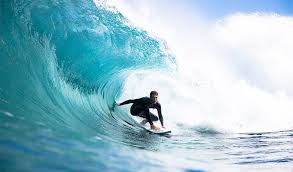


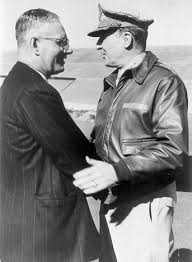
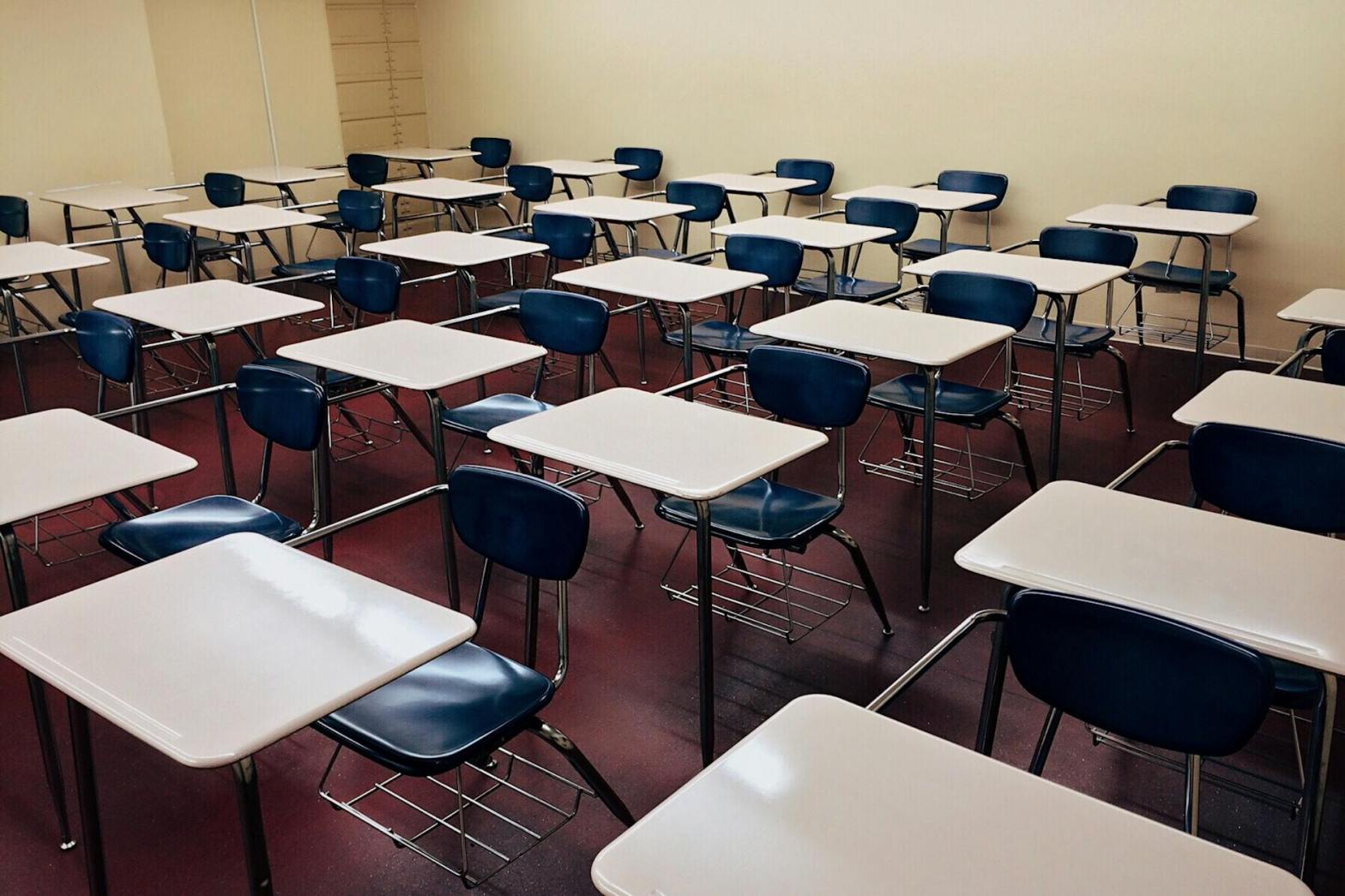




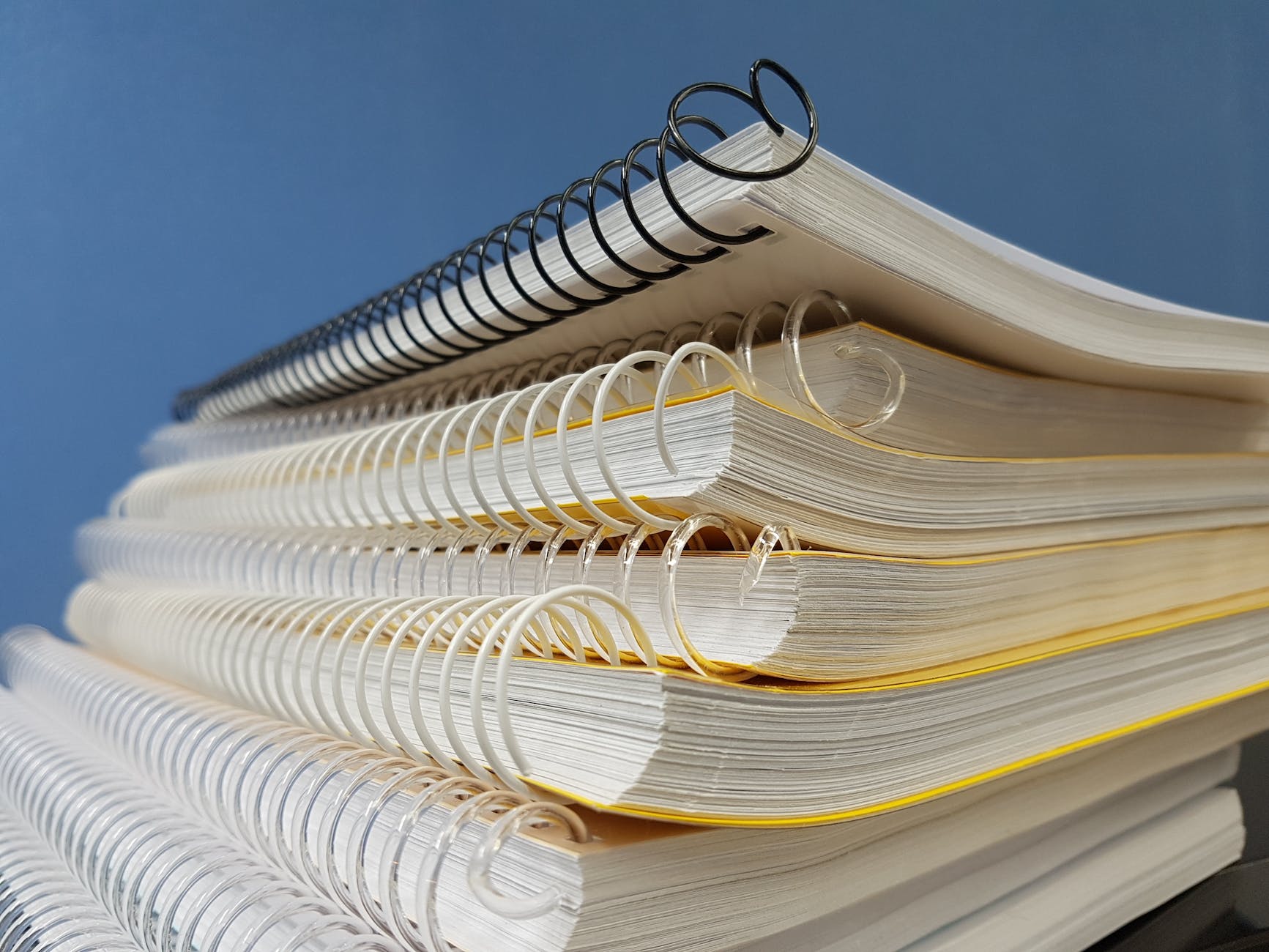


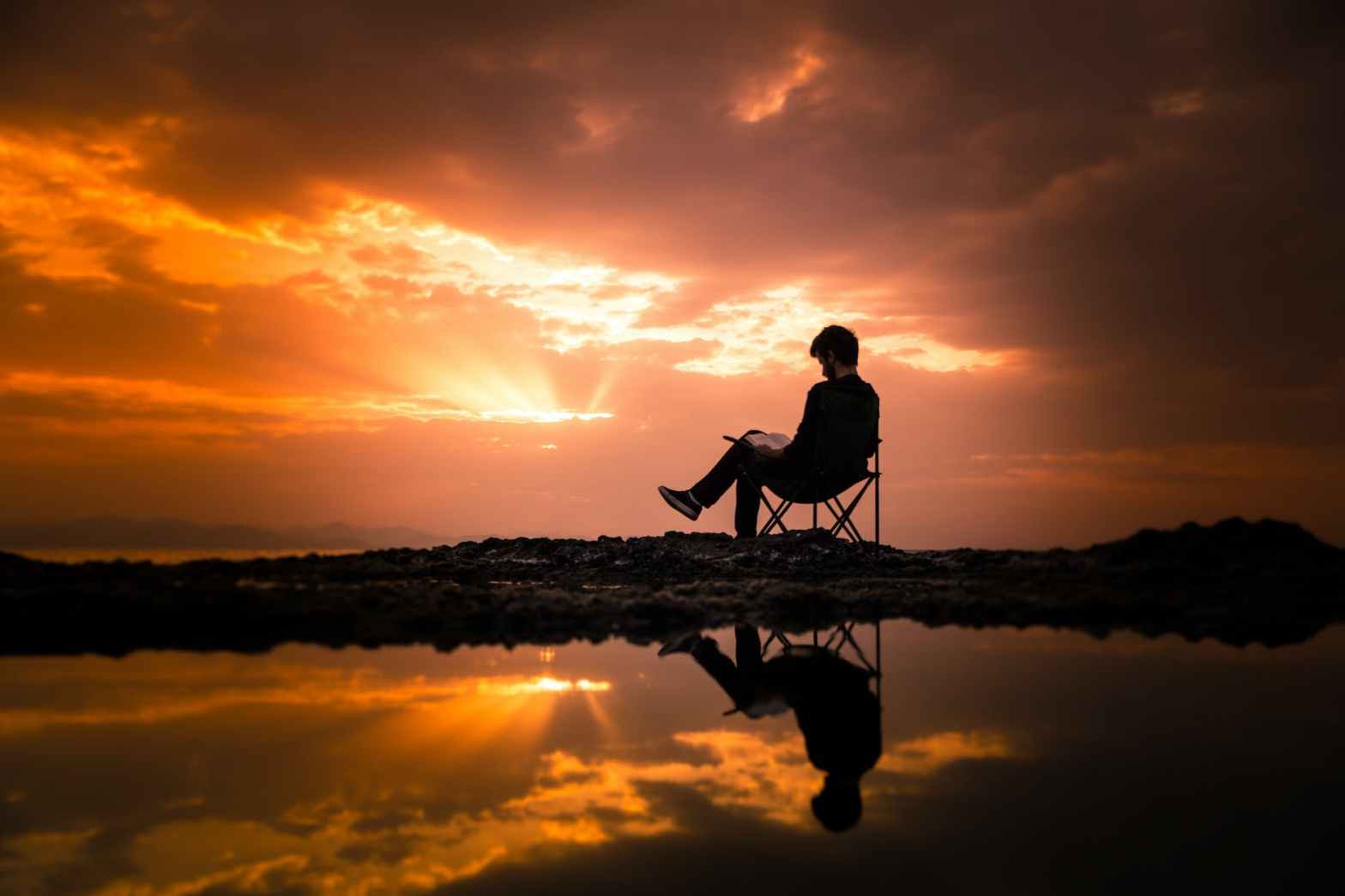

 Charlie Hynes